About
BLOG

Interested in a little light reading?

Our blog is continually updated with helpful educational information, advises, research and insights—all in the name of helping you level-up your color and appearance needs. Grab a drink and enjoy our stories!

Explore Our Stories
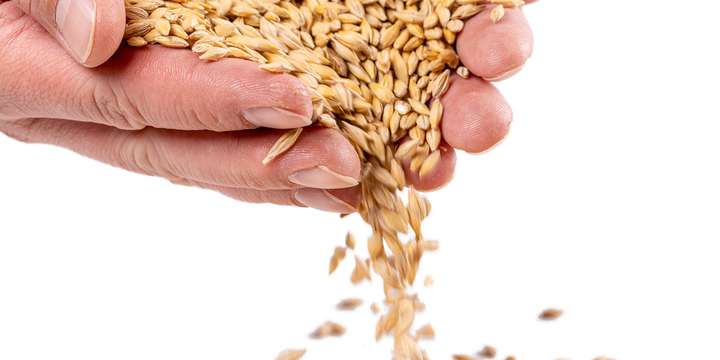
50381112657_98be0c7b1b_b.jpg

"Why is it important to measure the color of Distillers Dry Grains with Solubles (DDGS)?"

Read More

Explore Our Products

VIEW MORE

robert-katzki-jbtfM0XBeRc-unsplash.jpg

"Understanding Certified Color Standards Across All Industries"

Read More
hunterlab-and-nesvax-innovations-limited.jpg

"What Spectrophotometer Is Best for Your Industry?"

Read More
50381112657_98be0c7b1b_b.jpg

"Why is it important to measure the color of Distillers Dry Grains with Solubles (DDGS)?"

Read More
robert-katzki-jbtfM0XBeRc-unsplash.jpg

"Understanding Certified Color Standards Across All Industries"

Read More
hunterlab-and-nesvax-innovations-limited.jpg

"What Spectrophotometer Is Best for Your Industry?"

Read More
50381112657_98be0c7b1b_b.jpg

"Why is it important to measure the color of Distillers Dry Grains with Solubles (DDGS)?"

Read More

Why is it important to measure the color of Distillers Dry Grains with Solubles (DDGS)?

Posted on Dec 19, 2025 by HunterLab

¿Qué son los DDGS?

Los granos secos de destilería con solubles (DDGS) son un ingrediente sustitutivo de los piensos muy utilizado por su alto contenido nutricional y su bajo coste de producción en la industria de los piensos. Es un coproducto importante de la producción de etanol molido en seco a partir de maíz. Por cada fanega de maíz, la extracción de etanol por molienda seca produce ~10,22 L de etanol y 8,16 kg de DDGS.

Mezclado con el pienso, el DDGS proporciona una harina rica en proteínas. También es una buena fuente de calcio, fósforo y azufre, y se utiliza sobre todo para alimentar ganado vacuno, vacas lecheras, cerdos y algunas aves de corral. Los DDGS sustituyen aproximadamente 1 a 1 al grano de maíz en las raciones de pienso.

La industria de los DDGS está en auge.

Según el US Grains Council, la elevada producción de etanol en todo el país ha propiciado la exportación de 11 millones de toneladas de DDGS a 69 países en 2020/21, frente a los 5 millones de toneladas de 2009. México es el mayor comprador, con más del 18% del mercado de exportación. Vietnam, Corea del Sur, Turquía e Indonesia son los otros principales importadores.

El futuro también parece prometedor. Data Bridge, una organización líder en investigación de mercados, prevé que la demanda de DDGS orgánicos crezca a un ritmo del 7,00% en el periodo de previsión de 2020 a 2027 y que alcance los 20.950 millones de dólares en 2029.

Posted in Industries

Understanding Certified Color Standards Across All Industries

Posted on Dec 19, 2025 by HunterLab

Dado que el color influye en la calidad, la seguridad y los costes del producto, la coherencia es importante, lo que establece la necesidad de normas internacionales de color. Los estándares de color certificados se componen de datos de reflectancia electrofotográfica que combinan un estándar electrónico maestro y una referencia visual para garantizar la uniformidad de los colores en todos los materiales.

Normas internacionales de color

Existen varias tablas de colores estándar como referencia:

  • RGB: El estándar de color rojo, verde y azul (RGB) es el color de visualización para pantallas LCD, monitores CRT y pantallas de plasma.
  • CMYK: Los estándares de color cian, magenta, amarillo, clave (CMYK) se utilizan para la impresión ya que el estándar RGB no puede crear negro.
  • Pantone: Los estándares de color Pantone son colores vibrantes y sólidos que pueden convertirse a RGB o CMYK cuando sea necesario.
  • USDA: Las normas de color del USDA ayudan a los profesionales de la agricultura a decidir cuándo deben recogerse los productos y cómo deben clasificarse. Los procesadores de alimentos también utilizan estas normas para procesar y envasar los alimentos.

Posted in Industries

What Spectrophotometer Is Best for Your Industry?

Posted on Dec 19, 2025 by HunterLab

Los espectrofotómetros de color se utilizan para medir el color de las muestras y sus aplicaciones específicas abarcan todos los sectores, desde el alimentario hasta el químico, pasando por el de los plásticos. Con tantos campos diversificados, es vital que asegure el instrumento que ofrezca el mayor valor para sus necesidades individualizadas.

Un espectrofotómetro fiable debe tener diversas capacidades y características para producir los resultados más precisos, independientemente del sector. Al elegir una solución de medición del color para su campo, tenga en cuenta las siguientes características para asegurarse un espectrofotómetro adecuado para usted.

Funciones para todos los sectores

Los espectrofotómetros son instrumentos versátiles que se utilizan para medir muestras de todo tipo en las siguientes industrias:

  • Agricultura.
  • Tostado del café.
  • Plásticos.
  • Productos farmacéuticos.
  • Cosméticos.
  • Óptica biomédica.
  • Alimentos procesados.
  • Forense.
  • Aditivos alimentarios.
  • Análisis químico.
  • Análisis del agua.
  • Pinturas y revestimientos.
  • Huellas dactilares del té.
  • Productos de construcción eléctrica.

Posted in Industries

Why is it important to measure the color of Distillers Dry Grains with Solubles (DDGS)?

Posted on Dec 19, 2025 by HunterLab

Was ist DDGS?

Distillers Dry Grains with Solubles (DDGS) ist ein Futtermittelersatzstoff, der wegen seines hohen Nährstoffgehalts und seiner niedrigen Produktionskosten in der Futtermittelindustrie weit verbreitet ist. DDGS ist ein wichtiges Nebenprodukt bei der Herstellung von trocken gemahlenem Ethanol aus Mais. Für jeden Scheffel Mais erhält man bei der Ethanol-Trockenextraktion ~10,22 l Ethanol und 8,16 kg DDGS.

Wenn DDGS dem Tierfutter beigemischt wird, liefert es eine proteinreiche Mahlzeit. Es ist auch eine gute Quelle für Kalzium, Phosphor und Schwefel und wird am häufigsten an Rinder, Milchkühe, Schweine und einige Geflügelarten verfüttert. DDGS ersetzt Maiskörner in Futterrationen etwa im Verhältnis 1:1.

Die DDGS-Industrie boomt.

Nach Angaben des US Grains Council hat die hohe Ethanolproduktion im ganzen Land dazu geführt, dass 2020/21 11 Millionen Tonnen DDGS in 69 Länder exportiert werden, verglichen mit 5 Millionen Tonnen im Jahr 2009. Mexiko ist mit über 18 Prozent des Exportmarktes der größte Abnehmer. Vietnam, Südkorea, die Türkei und Indonesien sind die anderen Top-Importeure.

Auch die Zukunft sieht rosig aus. Data Bridge, ein führendes Marktforschungsunternehmen, geht davon aus, dass die Nachfrage nach biologischem DDGS im Prognosezeitraum 2020 bis 2027 mit einer Rate von 7,00 % wachsen und bis 2029 voraussichtlich 20,95 Mrd. USD erreichen wird.

Posted in Industries

Understanding Certified Color Standards Across All Industries

Posted on Dec 19, 2025 by HunterLab

Da Farbe die Produktqualität, die Sicherheit und die Kosten beeinflusst, ist Konsistenz wichtig, was den Bedarf an internationalen Farbstandards begründet. Zertifizierte Farbstandards bestehen aus elektrophotographischen Reflexionsdaten, die einen elektronischen Masterstandard und eine visuelle Referenz kombinieren, um einheitliche Farben für alle Materialien zu gewährleisten.

Internationale Farbstandards

Es gibt mehrere Farbstandardkarten als Referenz:

  • RGB: Der Rot-Grün-Blau-Farbstandard (RGB) ist die Farbanzeige für LCD-Bildschirme, CRT-Monitore und Plasmabildschirme.
  • CMYK: Die Farbstandards Cyan, Magenta, Yellow, Key (CMYK) werden für den Druck verwendet, da der RGB-Standard kein Schwarz erzeugen kann.
  • Pantone: Pantone-Farbstandards sind lebendige Volltonfarben, die bei Bedarf in RGB oder CMYK umgewandelt werden können.
  • USDA: Die USDA-Farbstandards helfen Fachleuten in der Landwirtschaft bei der Entscheidung, wann ein Produkt geerntet und wie es sortiert werden sollte. Auch Lebensmittelverarbeiter nutzen diese Standards für die Verarbeitung und Verpackung von Lebensmitteln.

Posted in Industries

What Spectrophotometer Is Best for Your Industry?

Posted on Dec 19, 2025 by HunterLab

Farbspektralphotometer werden zur Messung der Farbe von Proben verwendet, und ihre spezifischen Anwendungen erstrecken sich über alle Industriezweige - von Lebensmitteln über Chemikalien bis hin zu Kunststoffen. Bei so vielen unterschiedlichen Bereichen ist es von entscheidender Bedeutung, dass Sie sich das Instrument sichern, das den größten Nutzen für Ihre individuellen Anforderungen bietet.

Ein zuverlässiges Spektralphotometer sollte über verschiedene Fähigkeiten und Funktionen verfügen, um in jeder Branche möglichst genaue Ergebnisse zu erzielen. Achten Sie bei der Auswahl einer Farbmesslösung für Ihren Bereich auf die folgenden Merkmale, um das richtige Spektralphotometer für Sie zu finden.

Funktionen für jede Branche

Spektralphotometer sind vielseitige Instrumente, die zur Messung von Proben aller Art in den folgenden Branchen eingesetzt werden:

  • Landwirtschaft.
  • Kaffee rösten.
  • Kunststoffe.
  • Pharmazeutika.
  • Kosmetika.
  • Biomedizinische Optik.
  • Verarbeitete Lebensmittel.
  • Forensik.
  • Lebensmittelzusatzstoffe.
  • Chemische Analyse.
  • Wasseranalyse.
  • Farben und Beschichtungen.
  • Tee-Fingerprinting.
  • Energieerzeugnisse.

Posted in Industries

Why is it important to measure the color of Distillers Dry Grains with Solubles (DDGS)?

Posted on Dec 19, 2025 by HunterLab

What is DDGS?

Distillers dry grains with solubles (DDGS) is a feed ingredient substitute widely used for its high nutritional content and low production cost in the feed industry. It is a significant co-product of dry-milled ethanol production from corn. For every bushel of corn, dry-grind ethanol extraction yields ~10.22 L of ethanol and 8.16 kg DDGS.

When blended into the animal feed, DDGS provides a high-protein meal. It is also a good source of calcium, phosphorus, and sulfur and most commonly feeds cattle, dairy cows, swine, and some poultry. DDGS substitute roughly 1-to-1 for corn grain in feed rations.

The DDGS industry is booming.

According to the US Grains Council, high ethanol production across the country has led to the export of 11 million tons of DDGS to 69 countries in 2020/21 when compared to 5 million tons in 2009. Mexico is the biggest buyer, with over 18 percent of the export market. Vietnam, South Korea, Turkey, and Indonesia are the other top importers.

The future looks bright too. Data Bridge, a leading market research organization, projected the demand for organic DDGS to grow at a rate of 7.00% in the 2020 to 2027 forecast period and expected to reach USD 20.95 billion by 2029.

Posted in Industries
Prev
1
2
3
Next

Most Related Posts

  • Why is it important to measure the color of Distillers Dry Grains with Solubles (DDGS)?
  • Understanding Certified Color Standards Across All Industries
  • What Spectrophotometer Is Best for Your Industry?
  • Why is it important to measure the color of Distillers Dry Grains with Solubles (DDGS)?
  • Understanding Certified Color Standards Across All Industries
  • What Spectrophotometer Is Best for Your Industry?
  • Why is it important to measure the color of Distillers Dry Grains with Solubles (DDGS)?
More

Follow us on social

  • LinkedIn
  • YouTube
  • facebook
  • X
  • instagram