About
BLOG

Lust auf eine kleine Lektüre?

Unser Blog wird ständig mit hilfreichen Informationen, Ratschlägen, Forschungsergebnissen und Einblicken aktualisiert – alles mit dem Ziel, Ihnen dabei zu helfen, Ihre Bedürfnisse in Bezug auf Farbe und Aussehen zu verbessern. Holen Sie sich etwas zu trinken und genießen Sie unsere Geschichten!

Explore Our Stories
Construction worker inside a tunnel wearing high-visibilty safety clothing

"Spectrophotometry Ensures Color Quality Control of High-Visibility Safety Clothing"

Read More

Explore Our Products

VIEW MORE

Spectrophotometry in the Textile Industry: Ensuring Color Consistency in Denim

"Spectrophotometry in the Textile Industry: Ensuring Color Consistency in Denim"

Read More
Construction worker inside a tunnel wearing high-visibilty safety clothing

"Spectrophotometry Ensures Color Quality Control of High-Visibility Safety Clothing"

Read More
Spectrophotometry in the Textile Industry: Ensuring Color Consistency in Denim

"Spectrophotometry in the Textile Industry: Ensuring Color Consistency in Denim"

Read More
Spectrophotometry in the Textile Industry: Ensuring Color Consistency in Denim

"Spectrophotometry in the Textile Industry: Ensuring Color Consistency in Denim"

Read More
Spectrophotometry in the Textile Industry: Ensuring Color Consistency in Denim

"繊維産業における分光測光: デニムの色の一貫性を確保する"

Read More
Construction worker inside a tunnel wearing high-visibilty safety clothing

"Spectrophotometry Ensures Color Quality Control of High-Visibility Safety Clothing"

Read More

Spectrophotometry Ensures Color Quality Control of High-Visibility Safety Clothing

Posted on Ene 14, 2026 by HunterLab

High-visibility clothing is essential for maintaining safety in dangerous conditions. Image Source: Unsplash user Ricardo Gomez Angel

Workers across the nation depend on high-visibility safety clothing every day when they get up and go to their job site. Highway workers, construction workers, airport runway personnel, firefighters, some factory workers, and telephone linemen all rely on fluorescent clothing to be seen by other in order to prevent accidents.  Practically everywhere that workers perform their duties in dangerous areas with low visibility, safety clothing is an essential element of their daily gear. High-visibility clothing can be important in civilian life as well, for bikers, hunters, or anyone outdoors during hunting season.

While it’s common sense that garment manufacturers have a stake in the correct coloration of their products, in the case of high visibility safety clothing, correct coloration has actually been codified into law. According to the U.S. Occupation Safety and Health Administration, workers performing dangerous tasks requiring high visibility, such as roadside workers, must wear garments that conform to the requirements established in ANSI/ISEA 107-2015.1 The ANSI standards require that a garment’s material must be tested by an accredited laboratory and certified by the manufacturer with a Declaration of Conformity.2 Without proper testing and the ability to guarantee that their products meet ANSI standards, manufacturers cannot sell high-visibility safety clothing without exposing themselves to a high degree of risk. In order to compete in the safety clothing marketplace, manufacturers must invest in color quality control instruments and processes, including spectrophotometers.

Firefighters wear high-visibility clothing to stay safe while on the job. Image Source: Unsplash user Benjamin Kerensa

Posted in Color In Textiles

Spectrophotometry in the Textile Industry: Ensuring Color Consistency in Denim

Posted on Ene 14, 2026 by HunterLab

A key to achieving success in the fashion market is ensuring consistency throughout a line of clothing. A line of shirts has to have the same type of cut, quality, and color to maintain the integrity of a brand.

Because denim can be one of the toughest fabrics to work with, maintaining color consistency from factory to factory for a particular brand of jeans is extremely difficult. Ensuring consistent color measurement throughout a roll of denim requires a manufacturer to make use of precise measuring equipment, such as spectrophotometers/colorimeters.

Challenges of Dyeing Denim

Denim can be a challenging fabric to use for clothing manufacturing for a variety of reasons. The weaving required to create a roll of denim fabric requires precise manufacturing work, but also provides the toughness denim is known to possess.

Those challenges carry over to dyeing denim, where the weaving pattern in the fabric can make it difficult to consistently spread the dye across the entire roll. A couple of options for dyeing denim are Indigo and sulfur dyeing.

  • Indigo dyeing is commonly used in denim manufacturing, as few other dyes can match the desirable sky blue color an Indigo dye can create. However, the Indigo dyeing process, if not performed correctly, can lead to undesirable fading after washing.
  • A sulfur dye will typically be a lower-cost option for dyeing denim than Indigo, but the color choices are a bit more limited. Most manufacturers will stick to a darker color when using sulfur dyeing. Non-blue colors are common with sulfur dyeing too.

Nothing’s Better Than Faded Jeans

One of the best properties of denim is the way the fabric fades over time. The faded look can be even more desirable than the original dyed color of the jeans.

For example, one reason why denim created in Japan is popular is because of the way it fades. Individual brands of Japanese denim are well known for the specific colors they produce after they fade, but those faded colors must be consistent over time to maintain the brand’s integrity.

To achieve a consistent fading process, the dye the manufacturer applies in the production phase must be consistent from fabric roll to fabric roll. A mistake in the original dyeing process will lead to a different faded color than what’s intended, which can be a disaster for a manufacturer of fashion jeans. Therefore, finding a way to consistently ensure the color of the denim dye process is important, which is where spectrophotometers/colorimeters enter the picture.


Posted in Color In Textiles

Spectrophotometry Ensures Color Quality Control of High-Visibility Safety Clothing

Posted on Ene 14, 2026 by HunterLab

High-visibility clothing is essential for maintaining safety in dangerous conditions. Image Source: Unsplash user Ricardo Gomez Angel

Workers across the nation depend on high-visibility safety clothing every day when they get up and go to their job site. Highway workers, construction workers, airport runway personnel, firefighters, some factory workers, and telephone linemen all rely on fluorescent clothing to be seen by other in order to prevent accidents.  Practically everywhere that workers perform their duties in dangerous areas with low visibility, safety clothing is an essential element of their daily gear. High-visibility clothing can be important in civilian life as well, for bikers, hunters, or anyone outdoors during hunting season.

While it’s common sense that garment manufacturers have a stake in the correct coloration of their products, in the case of high visibility safety clothing, correct coloration has actually been codified into law. According to the U.S. Occupation Safety and Health Administration, workers performing dangerous tasks requiring high visibility, such as roadside workers, must wear garments that conform to the requirements established in ANSI/ISEA 107-2015.1 The ANSI standards require that a garment’s material must be tested by an accredited laboratory and certified by the manufacturer with a Declaration of Conformity.2 Without proper testing and the ability to guarantee that their products meet ANSI standards, manufacturers cannot sell high-visibility safety clothing without exposing themselves to a high degree of risk. In order to compete in the safety clothing marketplace, manufacturers must invest in color quality control instruments and processes, including spectrophotometers.

Firefighters wear high-visibility clothing to stay safe while on the job. Image Source: Unsplash user Benjamin Kerensa

Posted in Color In Textiles

Spectrophotometry in the Textile Industry: Ensuring Color Consistency in Denim

Posted on Ene 12, 2026 by HunterLab

A key to achieving success in the fashion market is ensuring consistency throughout a line of clothing. A line of shirts has to have the same type of cut, quality, and color to maintain the integrity of a brand.

Because denim can be one of the toughest fabrics to work with, maintaining color consistency from factory to factory for a particular brand of jeans is extremely difficult. Ensuring consistent color measurement throughout a roll of denim requires a manufacturer to make use of precise measuring equipment, such as spectrophotometers/colorimeters.

Challenges of Dyeing Denim

Denim can be a challenging fabric to use for clothing manufacturing for a variety of reasons. The weaving required to create a roll of denim fabric requires precise manufacturing work, but also provides the toughness denim is known to possess.

Those challenges carry over to dyeing denim, where the weaving pattern in the fabric can make it difficult to consistently spread the dye across the entire roll. A couple of options for dyeing denim are Indigo and sulfur dyeing.

  • Indigo dyeing is commonly used in denim manufacturing, as few other dyes can match the desirable sky blue color an Indigo dye can create. However, the Indigo dyeing process, if not performed correctly, can lead to undesirable fading after washing.
  • A sulfur dye will typically be a lower-cost option for dyeing denim than Indigo, but the color choices are a bit more limited. Most manufacturers will stick to a darker color when using sulfur dyeing. Non-blue colors are common with sulfur dyeing too.

Nothing’s Better Than Faded Jeans

One of the best properties of denim is the way the fabric fades over time. The faded look can be even more desirable than the original dyed color of the jeans.

For example, one reason why denim created in Japan is popular is because of the way it fades. Individual brands of Japanese denim are well known for the specific colors they produce after they fade, but those faded colors must be consistent over time to maintain the brand’s integrity.

To achieve a consistent fading process, the dye the manufacturer applies in the production phase must be consistent from fabric roll to fabric roll. A mistake in the original dyeing process will lead to a different faded color than what’s intended, which can be a disaster for a manufacturer of fashion jeans. Therefore, finding a way to consistently ensure the color of the denim dye process is important, which is where spectrophotometers/colorimeters enter the picture.
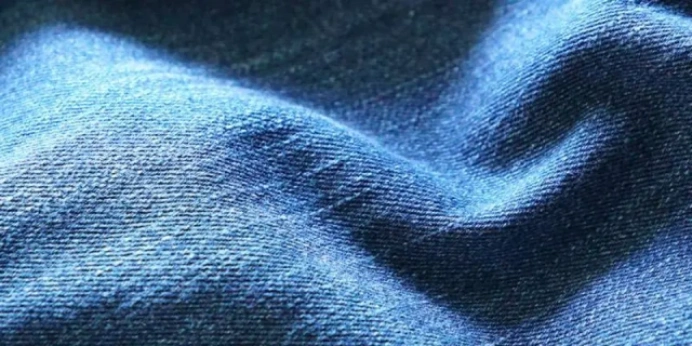
Posted in Color In Textiles

Spectrophotometry in the Textile Industry: Ensuring Color Consistency in Denim

Posted on Ene 12, 2026 by HunterLab

A key to achieving success in the fashion market is ensuring consistency throughout a line of clothing. A line of shirts has to have the same type of cut, quality, and color to maintain the integrity of a brand.

Because denim can be one of the toughest fabrics to work with, maintaining color consistency from factory to factory for a particular brand of jeans is extremely difficult. Ensuring consistent color measurement throughout a roll of denim requires a manufacturer to make use of precise measuring equipment, such as spectrophotometers/colorimeters.

Challenges of Dyeing Denim

Denim can be a challenging fabric to use for clothing manufacturing for a variety of reasons. The weaving required to create a roll of denim fabric requires precise manufacturing work, but also provides the toughness denim is known to possess.

Those challenges carry over to dyeing denim, where the weaving pattern in the fabric can make it difficult to consistently spread the dye across the entire roll. A couple of options for dyeing denim are Indigo and sulfur dyeing.

  • Indigo dyeing is commonly used in denim manufacturing, as few other dyes can match the desirable sky blue color an Indigo dye can create. However, the Indigo dyeing process, if not performed correctly, can lead to undesirable fading after washing.
  • A sulfur dye will typically be a lower-cost option for dyeing denim than Indigo, but the color choices are a bit more limited. Most manufacturers will stick to a darker color when using sulfur dyeing. Non-blue colors are common with sulfur dyeing too.

Nothing’s Better Than Faded Jeans

One of the best properties of denim is the way the fabric fades over time. The faded look can be even more desirable than the original dyed color of the jeans.

For example, one reason why denim created in Japan is popular is because of the way it fades. Individual brands of Japanese denim are well known for the specific colors they produce after they fade, but those faded colors must be consistent over time to maintain the brand’s integrity.

To achieve a consistent fading process, the dye the manufacturer applies in the production phase must be consistent from fabric roll to fabric roll. A mistake in the original dyeing process will lead to a different faded color than what’s intended, which can be a disaster for a manufacturer of fashion jeans. Therefore, finding a way to consistently ensure the color of the denim dye process is important, which is where spectrophotometers/colorimeters enter the picture.

Posted in Color In Textiles

繊維産業における分光測光: デニムの色の一貫性を確保する

Posted on Ene 08, 2026 by HunterLab

ファッション市場で成功を収める鍵は、衣類のライン全体で一貫性を確保することです。ブランドの完全性を維持するには、シャツのラインは同じタイプのカット、品質、色でなければなりません。

デニムは加工が最も難しい生地の 1 つであるため、特定のブランドのジーンズについて工場間で色の一貫性を維持することは非常に困難です。一貫した色測定を保証 デニムのロール全体を通してメーカーは分光光度計や比色計などの精密な測定機器を使用する必要があります。

デニム染色の課題

デニムは、さまざまな理由から、衣料品の製造に使用するのが難しい生地になる可能性があります。ロール状のデニム生地を作るために必要な製織には、正確な製造作業が必要ですが、デニムが持つことで知られる丈夫さも実現します。

例えば、日本製デニムが人気の理由の一つに、色褪せ方のせいで. 日本製デニムの各ブランドは、色落ちした後に生じる特定の色でよく知られていますが、ブランドの完全性を維持するには、その色落ちした色が時間が経っても一貫していなければなりません。

  • インディゴ染料が作り出す望ましいスカイブルーの色に匹敵する染料は他にほとんどないため、インディゴ染料はデニム製造で一般的に使用されています。ただし、インディゴ染色プロセスが正しく行われていない場合、洗濯後に望ましくない色落ちが発生する可能性があります。
  • 硫化染料は通常、インディゴよりもデニムを染色するための低コストのオプションですが、色の選択は少し制限されます。硫化染めを使用する場合、ほとんどのメーカーは暗い色にこだわります。硫化染めでは青以外の色もよく使われます。

色あせたジーンズほど良いものはない

デニムの最大の特徴の 1 つは、時間の経過とともに生地が色あせていくことです。色あせた外観は、ジーンズの元の染色色よりもさらに望ましい場合があります。

例えば、日本製のデニムが人気の理由の一つは、その色落ちにあります。日本製デニムの各ブランドは、色落ちした後に生じる特定の色でよく知られていますが、ブランドの完全性を維持するには、その色落ちした色が時間が経っても一貫していなければなりません。

一貫した退色プロセスを実現するには、メーカーが製造段階で適用する染料が、生地ロールごとに一貫していなければなりません。元の染色工程でミスをすると、意図した色とは異なる色落ちが発生し、ファッション ジーンズのメーカーにとっては大惨事となる可能性があります。したがって、デニムの染色プロセスの色を一貫して保証する方法を見つけることが重要であり、ここで分光光度計/比色計が登場します。

Posted in Color In Textiles

Spectrophotometry Ensures Color Quality Control of High-Visibility Safety Clothing

Posted on Ene 07, 2026 by HunterLab

La ropa de alta visibilidad es esencial para mantener la seguridad en condiciones peligrosas. Fuente de la imagen: Unsplash usuario Ricardo Gómez Ángel

Los trabajadores de todo el país dependen de la ropa de seguridad de alta visibilidad cada día cuando se levantan y se dirigen a su lugar de trabajo. Los trabajadores de las carreteras, los obreros de la construcción, el personal de las pistas de los aeropuertos, los bomberos, algunos trabajadores de fábricas y los instaladores de líneas telefónicas confían en la ropa fluorescente para ser vistos por los demás y evitar accidentes. Prácticamente en todas partes donde los trabajadores desempeñan sus funciones en zonas peligrosas con baja visibilidad, la ropa de seguridad es un elemento esencial de su equipo diario. La ropa de alta visibilidad también puede ser importante en la vida civil, para motoristas, cazadores o cualquier persona que salga al aire libre durante la temporada de caza.

Si bien es de sentido común que los fabricantes de prendas de vestir tengan interés en la correcta coloración de sus productos, en el caso de la ropa de seguridad de alta visibilidad, la correcta coloración ha sido codificada en la ley. Según la Administración de Seguridad y Salud en el Trabajo de EE.UU., los trabajadores que realizan tareas peligrosas que requieren alta visibilidad, como los trabajadores de carretera, deben llevar prendas que se ajusten a los requisitos establecidos en la norma ANSI/ISEA 107-2015.1 Las normas ANSI exigen que el material de una prenda sea probado por un laboratorio acreditado y certificado por el fabricante con una Declaración de Conformidad.2 Sin las pruebas adecuadas y la capacidad de garantizar que sus productos cumplen las normas ANSI, los fabricantes no pueden vender ropa de seguridad de alta visibilidad sin exponerse a un alto grado de riesgo. Para competir en el mercado de la ropa de seguridad, los fabricantes deben invertir en instrumentos y procesos de control de calidad del color, incluidos los espectrofotómetros.

Los bomberos llevan ropa de alta visibilidad para estar seguros en su trabajo. Fuente de la imagen: Benjamin Kerensa, usuario de Unsplash

Posted in Color In Textiles
Prev
1
2
3
…
Next

Most Related Posts

  • Spectrophotometry Ensures Color Quality Control of High-Visibility Safety Clothing
  • Spectrophotometry in the Textile Industry: Ensuring Color Consistency in Denim
  • Spectrophotometry Ensures Color Quality Control of High-Visibility Safety Clothing
  • Spectrophotometry in the Textile Industry: Ensuring Color Consistency in Denim
  • Spectrophotometry in the Textile Industry: Ensuring Color Consistency in Denim
  • Spectrophotometry in the Textile Industry: Ensuring Color Consistency in Denim
  • Spectrophotometry Ensures Color Quality Control of High-Visibility Safety Clothing
More

Follow us on social

  • LinkedIn
  • YouTube
  • facebook
  • X
  • instagram